
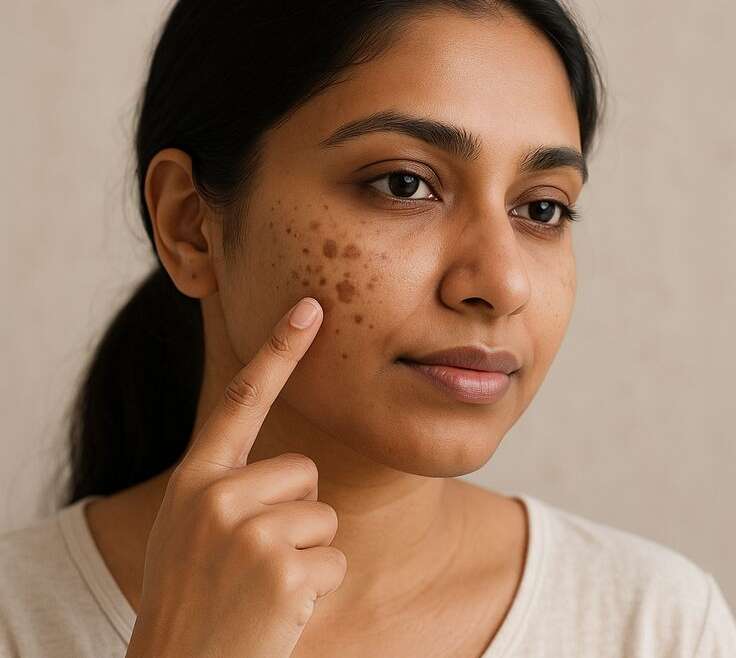
As we move into 2026, the pursuit of flawless skin has shifted toward a more sophisticated and science-backed goal of achieving a truly spotless complexion. Traditional methods that relied heavily on aggressive peels or heavy concealing are making way for a new era of dermatological care that prioritizes cellular health and precision. This transformation is driven by a deeper understanding of skin biology and the integration of high-tech tools that allow for treatments that are both more effective and gentler on the skin.
At Aura Skin & Laser Clinic in Pune, led by experienced specialists like Dr. Hina Kherajani, this shift is evident in the personalized care provided to every patient. The modern approach to skin health in 2026 focuses on treating the root causes of uneven tone rather than just masking the surface.
The New Science of Even Skin Tone
Hyperpigmentation—which includes everything from sunspots and acne marks to hormonal melasma—is fundamentally caused by an overproduction of melanin. While melanin is a natural defense mechanism against UV rays, triggers like inflammation, hormonal changes, and intense sun exposure can cause melanocytes to overreact, resulting in persistent dark patches.
By 2026, the strategy for treating these issues has evolved into a concept known as bio-harmonization. Rather than simply trying to remove the outer layers of the skin, modern treatments focus on regulating the pathways that produce pigment while simultaneously using light energy to clear existing spots. This ensures that the skin remains healthy and resilient throughout the process.
The Role of Picosecond Technology
One of the most significant breakthroughs for 2026 is the mainstream adoption of Picosecond laser technology. Unlike the nanosecond lasers of the past, which relied primarily on heat (photothermal energy), Picosecond lasers work by delivering energy in trillionths of a second. This incredibly fast pulse creates a photomechanical effect, shattering pigment into microscopic particles without heating the surrounding tissue.
This advancement is particularly crucial for Indian skin tones, which are often more prone to post-inflammatory hyperpigmentation when exposed to excessive heat. By minimizing the thermal footprint, these lasers allow for safer, faster clearing of deep-seated pigmentation and melasma with significantly less downtime and a lower risk of rebound darkening.
Regenerative Aesthetics and Exosome Therapy
The biggest trend currently reshaping the dermatological landscape is the rise of regenerative aesthetics, specifically the use of exosome therapy. Exosomes are tiny vesicles that act as natural messengers between cells, carrying vital proteins, lipids, and genetic material to stimulate repair.
When integrated into pigmentation treatments, exosomes help to downregulate melanin synthesis and soothe the inflammatory processes that lead to discoloration. Often used alongside microneedling or laser resurfacing, these “biotech boosters” accelerate the healing process and strengthen the skin barrier. This means that instead of just removing a spot, the treatment is actually rebuilding the skin to be more radiant and resistant to future damage.
Data-Driven Diagnostics
Precision is the hallmark of skincare in 2026. At clinics like Aura, the diagnostic phase now often involves AI-led analysis tools that map the skin’s deeper layers. These devices can track pore size, collagen density, and “latent pigmentation”—spots that are forming beneath the surface but are not yet visible to the naked eye.
This data-driven approach allows dermatologists to create a “skin fitness” program tailored to each individual’s data. By knowing exactly where the pigment is concentrated, they can choose the precise wavelength and intensity for laser treatments, ensuring that every session is optimized for maximum results and minimal irritation.
The Modern Home-Care Routine
While clinical treatments provide the heavy lifting, the daily routine has also evolved. In 2026, we are seeing a move away from harsh ingredients like hydroquinone toward gentler, high-performance alternatives like cysteamine and tranexamic acid.
- Tranexamic Acid: This ingredient has become a staple for its ability to block the interaction between skin cells and melanocytes, effectively calming the inflammatory signals that trigger melasma.
- Cysteamine: As a naturally occurring antioxidant, cysteamine helps to reduce melanin production while neutralizing the oxidative stress that contributes to dullness.
- Broad-Spectrum Protection: Sunscreen remains the most critical step, but modern formulations now also protect against High-Energy Visible (HEV) light—the blue light emitted from screens—which is now recognized as a significant contributor to pigmentation.
Why Expert Guidance Matters
Despite the availability of advanced technology, the human element remains irreplaceable. Every skin type reacts differently to treatment, and the expertise of a qualified dermatologist is essential for navigating the complexities of pigmentation. In Pune, Aura Skin & Laser Clinic stands out by offering a fusion of cutting-edge technology and years of clinical experience.
By combining various modalities—such as layering gentle chemical peels with laser toning—specialists can address multiple layers of the skin simultaneously. This holistic approach ensures that the results are not just temporary, but a long-term improvement in skin quality and clarity.
Conclusion
Achieving spotless skin in 2026 is a journey that combines clinical innovation with consistent, science-backed maintenance. Whether you are dealing with sun damage from the intense Pune heat or hormonal melasma, the options available today are safer and more effective than ever before. The future of skincare is personalized, regenerative, and focused on revealing your most healthy, radiant self.