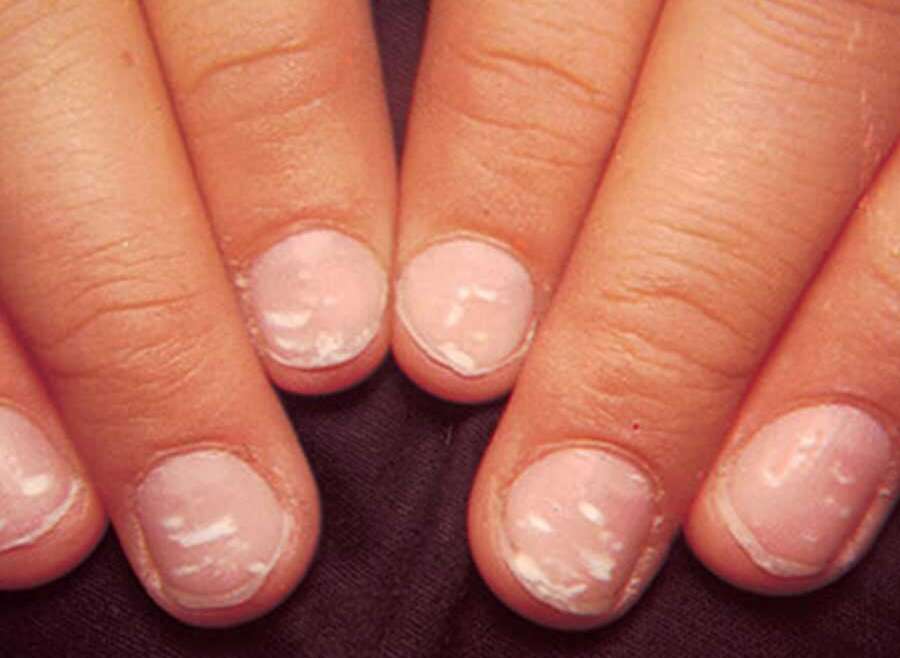
Nail diseases encompass a range of conditions that affect the health and appearance of nails. From fungal infections to trauma-induced damage, addressing nail diseases requires targeted treatment approaches. Proper care and management are essential not only for cosmetic reasons but also to prevent potential complications.
1. Fungal Nail Infections: Fungal nail infections, also known as onychomycosis, are among the most prevalent nail disorders. Treatment typically involves topical or oral antifungal medications. Topical treatments, such as medicated nail polishes or creams, may be effective for mild cases. However, severe infections often require oral antifungal drugs prescribed by a healthcare professional. Additionally, maintaining proper nail hygiene and avoiding damp environments can aid in preventing recurrence.
2. Nail Psoriasis: Psoriasis can affect the nails, leading to thickened, pitted, or discolored nails. Treatment for nail psoriasis aims to alleviate symptoms and improve nail appearance. Topical treatments containing corticosteroids or vitamin D analogs may be prescribed to reduce inflammation and promote healing. In severe cases, systemic medications or biologic therapies may be recommended to target the underlying immune system dysfunction.
3. Ingrown Toenails: Ingrown toenails occur when the edge of the nail grows into the surrounding skin, causing pain, redness, and swelling. Treatment may involve soaking the affected foot in warm water and gently lifting the nail to relieve pressure. In some cases, minor surgical procedures, such as partial nail removal (nail avulsion) or nail wedge resection, may be necessary to prevent recurrent ingrowth. Proper nail trimming techniques and wearing well-fitting footwear can help prevent ingrown toenails.
4. Nail Trauma: Trauma to the nails, such as blunt force injuries or repetitive stress, can result in various nail abnormalities, including bruising, splitting, or detachment. Treatment depends on the severity of the injury but may include rest, ice, elevation, and over-the-counter pain relievers. Severe cases of nail trauma may require medical intervention, such as nail repair or removal, to prevent infection and promote proper healing.
5. Nail Biting (Onychophagia): Nail biting is a common habit that can lead to damage, infection, and unsightly nails. Treatment strategies for nail biting may involve behavioral therapy, such as habit reversal training or cognitive-behavioral techniques, to address underlying triggers and promote healthier coping mechanisms. Additionally, applying bitter-tasting nail coatings or wearing gloves can deter nail biting behavior.
Causes:
- Fungal Nail Infections: Fungal nail infections are commonly caused by dermatophytes, fungi that thrive in warm, moist environments. Factors such as poor nail hygiene, trauma to the nail, and wearing tight-fitting shoes contribute to fungal nail infections.
- Nail Psoriasis: Nail psoriasis is an autoimmune condition in which the body’s immune system mistakenly attacks the nail cells, leading to abnormal nail growth and appearance. Genetic predisposition, stress, and environmental factors can trigger or exacerbate nail psoriasis.
- Ingrown Toenails: Ingrown toenails often result from improper nail trimming, wearing tight shoes, or sustaining injury to the toe. Factors such as genetics, foot structure, and poor nail care practices can increase the risk of developing ingrown toenails.
- Nail Trauma: Trauma to the nails, such as blunt force injuries or repetitive stress, can cause various nail abnormalities. Accidental injuries, sports-related activities, and occupational hazards are common causes of nail trauma.
- Nail Biting (Onychophagia): Nail biting is often a habitual behavior linked to stress, anxiety, or boredom. Genetics, environmental influences, and learned behaviors from family members may also contribute to the development of nail biting habits.
Treatment Options:
- Topical Antifungal Medications: For fungal nail infections, topical antifungal medications such as creams, ointments, or medicated nail polishes can be effective, especially for mild cases. These medications work by directly targeting the fungus on the nail surface.
- Oral Antifungal Drugs: Severe or stubborn fungal nail infections may require oral antifungal medications prescribed by a healthcare professional. These drugs work systemically to eliminate the fungus from within the body, promoting new nail growth.
- Topical Corticosteroids and Vitamin D Analogues: In the case of nail psoriasis, topical treatments containing corticosteroids or vitamin D analogues can help reduce inflammation and promote healing of the affected nails.
- Systemic Medications and Biologic Therapies: Severe nail psoriasis may necessitate systemic medications or biologic therapies to target the underlying immune system dysfunction. These treatments are often prescribed by dermatologists or rheumatologists.
- Conservative Measures for Ingrown Toenails: Treatment for ingrown toenails may involve soaking the foot in warm water, gently lifting the nail, and applying antibiotic ointment to prevent infection. In some cases, minor surgical procedures such as nail avulsion may be necessary.
- Behavioral Therapy for Nail Biting: Nail biting, or onychophagia, can be addressed through behavioral therapy techniques such as habit reversal training or cognitive-behavioral therapy. These approaches help individuals identify triggers and develop healthier coping strategies.
Why Choose Aura Clinic?
When it comes to addressing nail diseases, Aura Skin & Laser Clinic stands out as a premier destination for advanced skincare solutions in Pimple Saudagar. Led by Dr. Hina Kherajani, MBBS, DVDL, a renowned Dermatologist, Venereologist, Cosmetic Dermatologist, and Laser Consultant, Aura Clinic offers a perfect fusion of science and beauty.
Here’s why Aura Clinic is your ideal choice for nail disease treatment:
- Expertise: Dr. Hina Kherajani brings years of experience and expertise in dermatology, ensuring that you receive the highest quality of care for your nail concerns.
- Comprehensive Care: Aura Clinic provides comprehensive dermatological care services, covering a wide range of skin, hair, and nail treatments. Whatever your concern may be, rest assured that you’ll find a solution under one roof.
- State-of-the-Art Technology: Equipped with the latest technology and advanced treatment modalities, Aura Clinic ensures that you receive cutting-edge solutions for your nail diseases.
- Personalized Approach: Each patient is unique, and at Aura Clinic, we understand the importance of personalized care. Dr. Hina Kherajani and her team tailor treatment plans to suit individual needs, ensuring optimal results.
- Holistic Care: Beyond just treating the symptoms, Aura Clinic emphasizes holistic care, addressing the underlying causes of nail diseases for long-term improvement and wellness.
FAQs:
Q: How do I know if I have a nail disease? A: Common symptoms of nail diseases include changes in nail color, texture, thickness, and shape. If you notice any abnormalities, it’s advisable to consult a dermatologist for a proper diagnosis.
Q: What are the treatment options for nail diseases? A: Treatment options vary depending on the type and severity of the nail disease. They may include topical or oral medications, laser therapy, or surgical procedures. Your dermatologist will recommend the most suitable treatment plan for you.
Q: Is nail disease treatment painful? A: The level of discomfort during treatment varies depending on the procedure. Many treatments are minimally invasive and relatively painless. Your dermatologist will ensure your comfort throughout the process.
Q: How long does it take to see results from nail disease treatment? A: The timeline for seeing results depends on the specific condition being treated and the chosen treatment modality. Some patients may experience improvement within a few weeks, while others may require longer-term therapy for optimal results.
Q: Can nail diseases recur after treatment? A: In some cases, nail diseases may recur, especially if underlying factors such as fungal infections are not adequately addressed. Following your dermatologist’s recommendations for post-treatment care can help minimize the risk of recurrence.
At Aura Skin & Laser Clinic, we are committed to helping you achieve healthy, beautiful nails. Schedule a consultation with Dr. Hina Kherajani today to start your journey towards optimal nail health and confidence.